
How to clean and care for textile art
- louisegoulttextiles
- Mar 9
- 3 min read

How to clean and care for textile artwork is a question asked a lot. It can seem like there's lots of considerations in collecting and displaying textile art - how to keep it clean if the artwork is not framed behind glass, how to stop fading and so many other questions spring to mind.
However, it's not that different caring for textile artwork than any other artwork you may own.

What about fading?
Textile artwork, like any other artwork will fade over time, especially if placed in direct sunlight. As with a painting, for example, it is best to display out of direct sunlight. If this isn't possible then look at using UV resistant glass in your frame or museum standard framing.
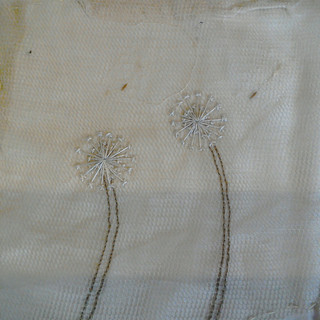
Textile artwork that are created with natural dyes, such as Spring Days above, can be susceptible to fading if correct mordants haven't been used. A mordant binds the dye colour to the fabric. All of my naturally dyed fabric is mordanted using natural mordants which will help maintain the colour. It is always worth asking the artist about mordants before purchasing naturally dyed work.
In short, display textile artwork as you would with any other piece of artwork.

What room can I display textile art in?
Textile art can be displayed in almost any room or space. However, textile art doesn't like the humidity or damp and so I would recommend that you don't display your textile art in the bathroom or kitchen. It's not a good idea to store it in damp places either such as cellars or garages.
Textile artwork doesn't like huge changes in temperatures as this can cause the fibres in the fabric to expand and contract. Eventually this will cause damage to the work. Slight, normal changes in temperatures are not a worry.

Transporting or storing textile artwork
There are often times when we need to move artwork between locations or store artwork away. It is fine to do this, though there are some precautions to take.
Don't wrap your textile artwork in plastic, as this will cause it to become humid. Instead use cotton sheets. Don't store in damp or poorly ventilated areas, this will encourage mould growth and the work will become humid.
When transporting work it is best to wrap the frame in something soft such as tissue paper with layers of bubble wrap or similar. You can get paper bubble wrap now if you prefer to use recyclable materials. Be mindful of the corners of the frame as these are easy to chip. Cut some cardboard and make protectors to go over the corner.
If you are transporting more than one framed piece of art make sure that you place them either front to front or back to back. This is because the screws and hanging system on the back of the frame will dent and damage the front of the frame.

How to clean unframed artwork
This is the question I'm asked the most!
Textile art is more robust than is thought and can very easily be displayed as free standing, sculptural art. It doesn't always have to be in a cabinet.
However, even in the cleanest home, there will always be dust and it's important to keep the artwork clean. Not only will that show it to its best but also prevent dust mites which can damage the work.
With artwork such as mosaics or pottery you can simply dust over and be done - but what about with textiles? All you need to do is take the crevice tool or small round brush of your vacuum and place the end of a pair of tights or a sock over it. Then gently hoover the artwork. The sock or tights won't damage the work and will allow the suction through to remove the dust. Wait until you have taken the vacuum away from the artwork before switching off as some dust will fall off the end of the sock or tights once the suction has stopped. It's important to be gentle with this.
I'm sure there will be lots of other ideas and tips about caring for and cleaning textile artwork - put yours in the comments.


Comments